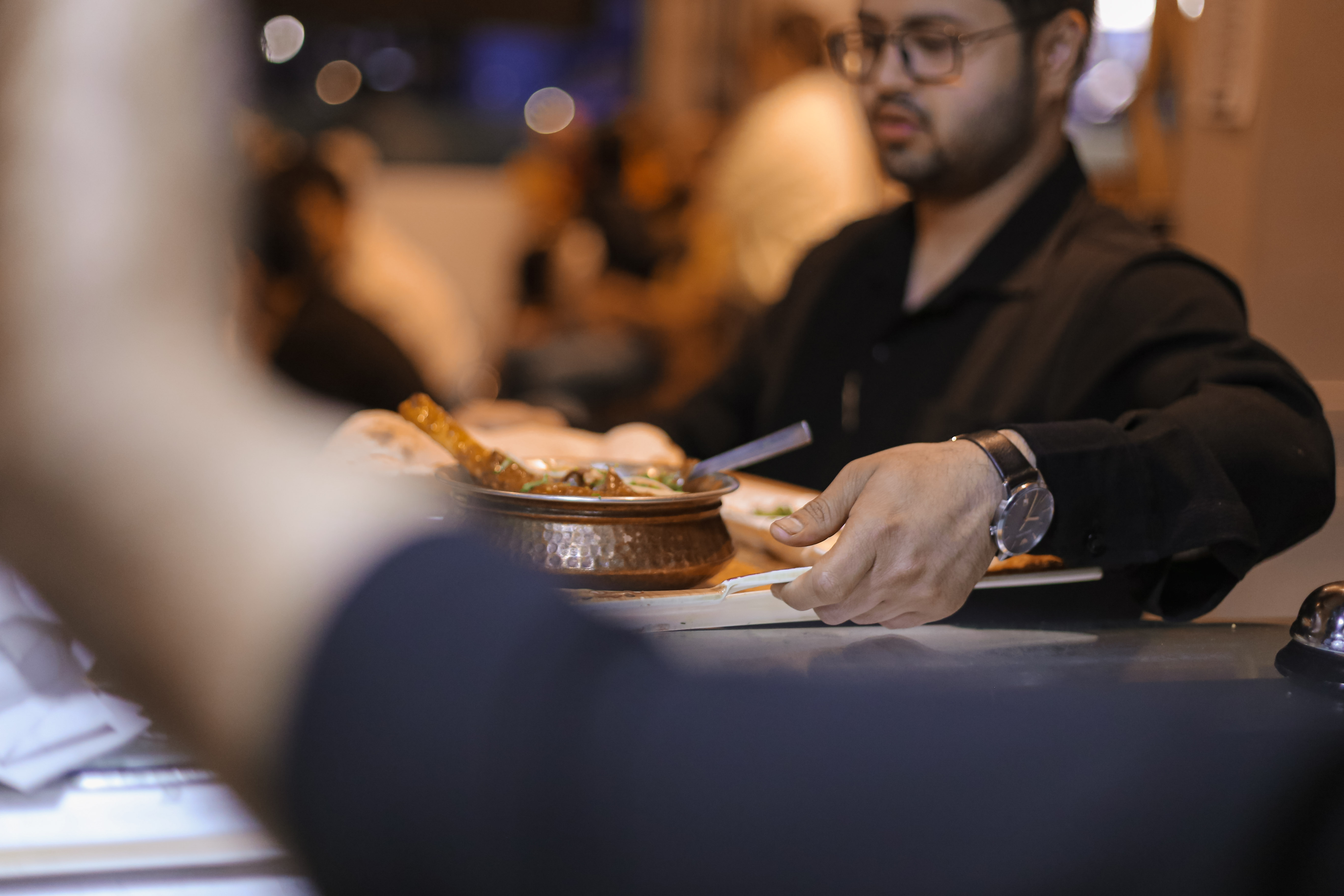
Is Dilpasand restaurant halal in London?
Is Dilpasand restaurant halal in London?
Finding a truly halal restaurant can feel like guesswork when you arrive hungry in East London. Happily, the Pakistani spot named Dilpasand states openly that every dish follows Islamic dietary law, so diners do not need to second guess the biryani, nihari or chapli kebab on the table.
Halal standards in London
When a London restaurant labels food halal it promises that animals are slaughtered according to religious requirements and that no pork or alcohol based ingredients enter the kitchen. Many guests also ask about preparation: Do raw and cooked meats stay apart in storage, are separate tongs used on the grill, are fryers shared with non halal items? These questions matter when you bring children, elders or anyone who observes a strict diet. Pakistani dining rooms across Whitechapel, Ilford and Southall often post certificates near the counter, yet a quick conversation with a server remains the easiest way to clear up any doubt.
What Dilpasand offers
Dilpasand presents itself as a Karachi influenced canteen, and the Dilpasand menu reads like a checklist of comfort food for anyone raised on South Asian spices. Expect slow cooked nihari with a glossy marrow rich gravy, gently spiced haleem, mutton biryani that balances rice, meat and masala, and charcoal grilled seekh or chapli kebabs served with hot parathas. For travellers from Houston, these dishes echo meals back home where Pakistani restaurants double as community hubs.
Beyond flavour, the restaurant’s public claim of full halal compliance provides peace of mind for guests who plan a group meal after Friday prayers or a family celebration. A clear stance also helps Dilpasand compete in the crowded field that London food writers label the search for the Best Pakistani Restaurant. Many newcomers advertise fusion twists, yet Dilpasand leans toward an authentic Pakistani approach that respects Karachi street vendors: long simmered gravies, fresh green chutney rather than bottled sauce, bread rolled and slapped on the tawa only when you order. This commitment to method signals that the same care likely guides sourcing and butchery.
Practical checks before you visit
Most diners are satisfied once a website or sign confirms halal status, but you can still take a couple of simple steps:
• Phone ahead and ask whether every menu item is halal or if any exceptions exist.
• Inquire about separate grills or fryers to avoid cross contact, especially if someone in your party has allergies.
• On arrival look for a certificate or sticker near the cash desk, then glance at the kitchen pass for dedicated utensils.
Staff at Pakistani restaurants handle these queries daily, so you will not feel out of place. The Whitechapel location is a short walk from the Underground, which makes it convenient to combine lunch with errands at the nearby markets.
Evening plans and shared tables
Dinner service draws the biggest crowds, and Dilpasand highlights the relaxed vibe of an evening dining at Dilpasand sitting. Large platters of biryani or mixed grill arrive quickly, ideal for groups who want to taste several dishes without waiting through multiple courses. Families with small children often book an earlier slot so that parathas and mild curries reach the table before bedtime, while students may drop in later for chai and a final order of nihari. The halal assurance applies through the day, so you can time your visit around prayer or sightseeing without compromise.
Houston readers sometimes carry a mental checklist when they land at Heathrow: chapli kebab with a crisp edge, biryani that does not drown in oil, haleem that shows patience in preparation. Dilpasand fulfils those expectations and answers the fundamental question about permissibility. By combining straightforward halal certification with flavours rooted in Karachi tradition, the restaurant earns a firm spot on any East London itinerary concerned with both taste and faith.