Is the London halal food at Dilpasand Restaurant fully certified?
Is the London halal food at Dilpasand Restaurant fully certified?
Families planning an iftar or anyone who keeps halal often ask one practical question before booking a table at Dilpasand in Whitechapel: is the food officially certified as halal? The answer matters because it determines whether diners can relax and enjoy Karachi street favourites without hesitation. The sections below explain what certification involves, outline what the restaurant states in public, and show you how to double check the details yourself.
What halal certification actually means in London
A halal certificate in London is usually issued by an independent body, most commonly the Halal Monitoring Committee (HMC) or the Halal Food Authority (HFA). Inspectors trace the supply chain, confirm that every animal is slaughtered according to Islamic rules, and review kitchen practice to rule out cross contamination with non halal items. Restaurants that hold a current certificate normally display it at the counter or list it on their website. If you want to see how different restaurants describe their standards, browse this concise halal guide so you know what to ask when you call.
What Dilpasand says publicly right now
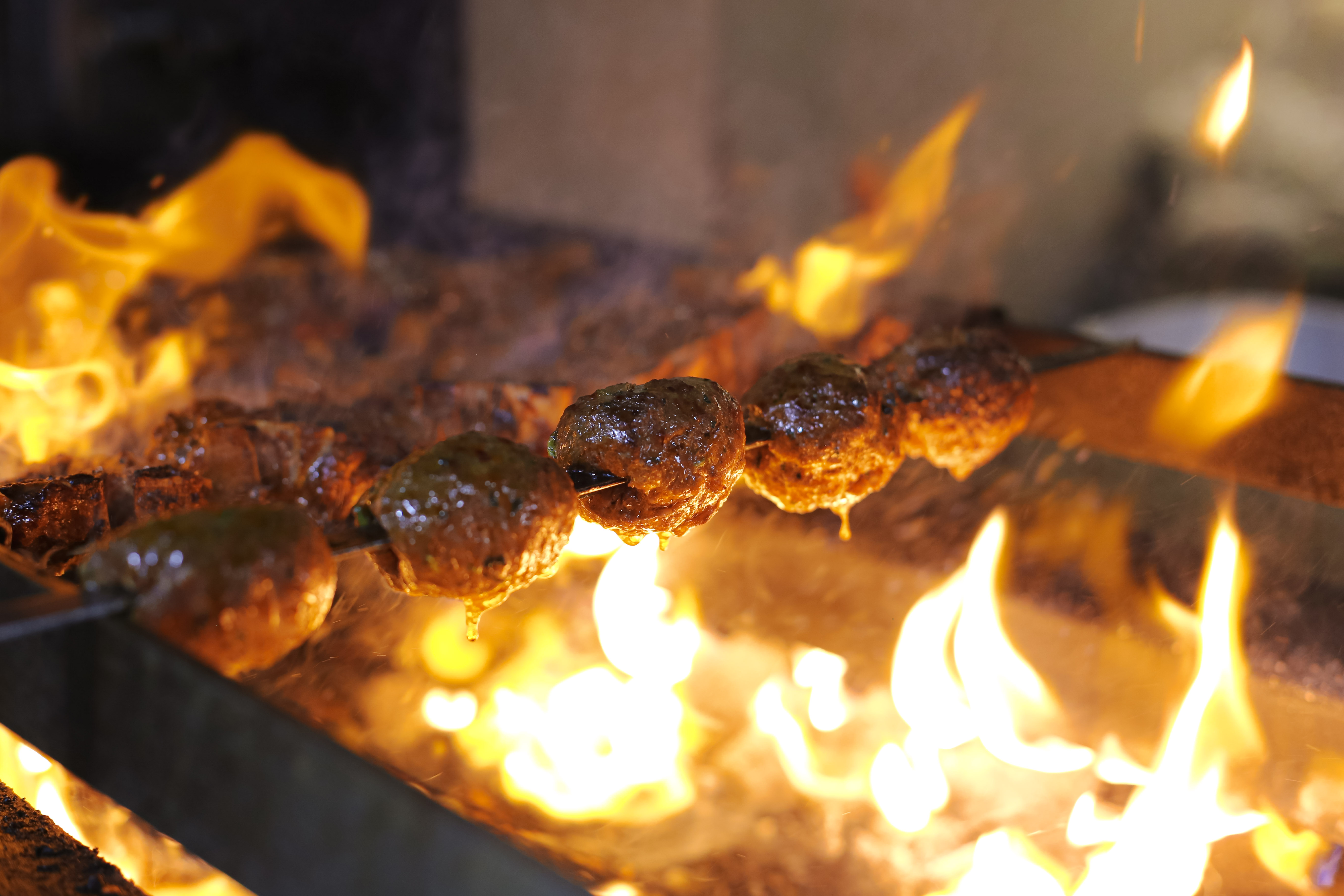
Dilpasand’s own site presents the restaurant as a home for authentic Pakistani and halal cuisine, highlighting charcoal kebabs, karahi, haleem, nihari, and fragrant biryani. Social media posts from customers echo that claim. Diners share images of breaking fast with dates, pakoras, and hot chapli kebabs, and food writers such as Vittles have praised the skill shown across grill, karahi, and tandoor. All of this signals strong halal intent, yet none of the materials currently mention a named certifier.
That silence does not mean the restaurant lacks a certificate; it simply means it is not advertised online. The straightforward route is to contact the team directly on +44 7368 657788. Ask which body has certified the kitchen, whether the paperwork covers every meat and poultry supplier, and if any menu items fall outside the scope.
How to verify halal status on your visit
When you arrive, request to see the current certificate. Check:
• The name of the certifying authority and the expiry date
• Whether the certificate covers the full menu or only specific categories
• If all meat suppliers are approved by the same body
• How raw and cooked foods are stored to avoid cross contamination
If the document is not on display, staff can usually show a copy or a clear photo. Cautious diners sometimes ask for a quick email confirmation before bringing a large group; the restaurant should be happy to oblige.
While you are there, you will notice the range that draws Karachi food enthusiasts across London. Grills sizzle alongside slow cooked nihari, and the chicken or mutton biryani has gained a loyal following. For ideas on larger spreads, many visitors read a short piece about a halal buffet and then discuss platters that match the certificate in place. Those staying near Aldgate East often refer to Whitechapel halal options but end up at Dilpasand because it is a short walk from several Tube lines.
Why halal diners gravitate to Dilpasand
The pull is first and foremost the food. Karachi street cooking has a direct, smoky quality that evokes childhood memories for many guests: Behari boti that melts after a charcoal kiss, sizzling seekh kebabs wrapped in hot roti, and slow simmered haleem finished with fresh lemon. Reviews repeatedly mention generous portions and friendly staff. Vittles singled out the kitchen’s range across grill, karahi, and tandoor, praising both speed on the flame and patience in the pot.
The backstory also builds trust. The owners grew up eating the same dishes in Karachi and opened Dilpasand to recreate that flavour profile in London. They stress fresh ingredients, carefully balanced spices, and time honoured cooking over live coals. Readers curious about the broader restaurant journey can visit the main Dilpasand page for more background.
So is the London halal food at Dilpasand fully certified
Current public material positions Dilpasand as a halal Pakistani restaurant, yet no specific certifier is mentioned online. If full certification matters to you, call ahead or ask in person to see a current HMC or HFA document, confirm it covers every dish you intend to order, and note the expiry date. Once that step is complete, you can focus on why you came: sharing Karachi street food with family and friends, confident that each bite aligns with your halal standards.