How to plan an Indian street food London tour?
How to plan an Indian street food London tour?
A rewarding street food walk starts with one question: which flavors do you want to sample in a single, relaxed afternoon? When relatives fly in or friends want a fresh perspective, a tight route, a realistic schedule, and a few fallback stops turn casual snacking into memorable tasting. The steps below show how to build that plan without rushing anyone.
Choose your area and time window
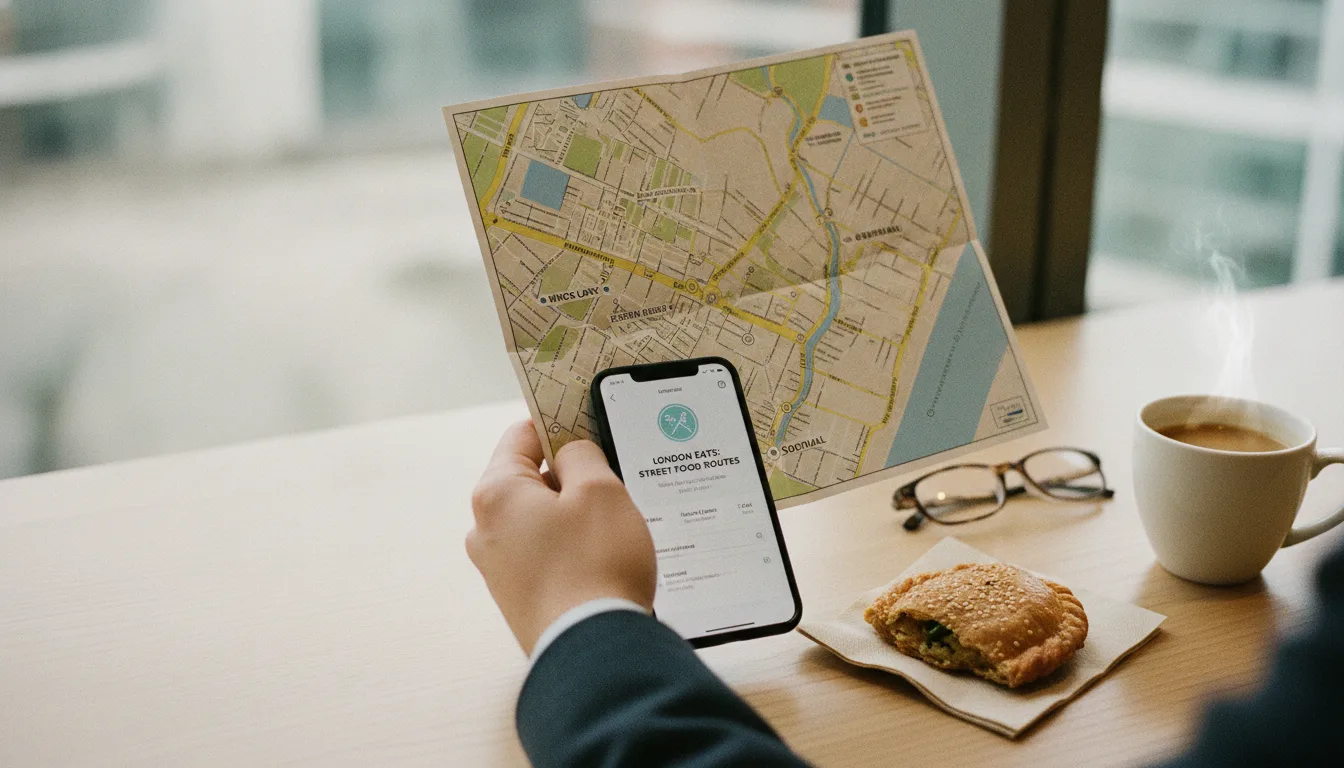
Limit the walk to one compact district so the next bite is always nearby. Brick Lane and Whitechapel in East London remain the easiest base because curry cafés, sweet shops, and grills sit almost door to door. Late morning through mid afternoon on weekends brings lively markets and fresh bakes; weekday visits often mean shorter waits. Three to three and a half hours with five or six stops is what many commercial tours publish, so use that as a benchmark for your map.
If you need city wide inspiration, skim this helpful overview of Indian dishes across London, then narrow the list to places you can reach on foot within your chosen neighborhood.
Build a balanced route
Good flow matters as much as flavor. Start with bright chaat such as bhel puri to wake the palate. Move on to a warm fritter like a crisp pakora or a samosa chaat that mixes cool yogurt with spiced potatoes. Pause at a spice or grocery stall to show cumin seeds, black cardamom pods, and asafoetida.
Plan one seated course where everyone can share two or three curries, naan, and rice. Punjabi tandoori plates, for instance lamb chops or paneer tikka, anchor the meal and give the group a break from standing. End with classic sweets like gulab jamun or coconut ladoo.
Groups that crave Pakistani flavors should include a short detour for bun kebab, seekh kebab, or a fiery chana bowl. Street vendors in East London often cook these items beside Indian snacks, and a quick browse through a roundup of Pakistani food will help you spot a stall that suits the mood.
Match food to your group
Families value simple choices and places to sit. Alternate stand up bites with a venue that offers real chairs. Ask everyone’s spice comfort level before you order, and request mild, medium, or a side of cooling yogurt as needed. For halal diners, collect names of eateries that state halal sourcing in menus or are trusted within the community; this halal list gives a quick starting point. Vegetarian friends thrive at chaat stands, dosa counters, and dessert shops, so guarantee at least two plant first stops.
Visitors who begin the day at the river can still fit an evening tasting near London Bridge. Several South Asian cafés sit close together there, making it easy to finish three stops in about ninety minutes and still catch a late train.
Book wisely and move smoothly
Guided tours often advertise an “authentic” loop that avoids tourist traps, includes curry tasting with naan, highlights a Punjabi grill, dips into a sweet shop, explores spices, and keeps one mystery stop. Read recent reviews to confirm group size and pace. If you prefer to lead your own route, reserve a table for the seated course at least one day ahead, especially for groups over six.
Use the Tube to land within five minutes of your first vendor. Aldgate East or Whitechapel stations both work. Carry contactless payment, plus a small bag for sweets and spice packets. Post the route in a group chat so anyone delayed can join at the next corner without stress.
Layer in culture
A thoughtful street food tour feeds appetite and curiosity. Share that chaat began as quick comfort in hectic markets and rail stations, or why bread baked inside a clay tandoor tastes smokier than bread cooked on a pan. When you pass a historic mosque, a nineteenth century synagogue, or the vibrant murals of Brick Lane, take a moment to look closely and let the group breathe. This rhythm of story, walk, and taste turns a checklist of snacks into a living memory.
Chicago readers who already enjoy South Asian comfort plates back home can keep the trip alive afterward. Drop by Dilpasand, a Pakistani and Indian halal restaurant with generous portions, and compare your new London favorites with a familiar weeknight dal or grill. The contrast often sparks the next travel plan or at least a lively table debate about whose seekh kebab truly rules.
For a deeper sense of what London offers before you fly, read a short set of Bridge picks and fold any tempting names into your map. The result will be a smooth, flavorful walk that feels personal, flexible, and full of small discoveries.